
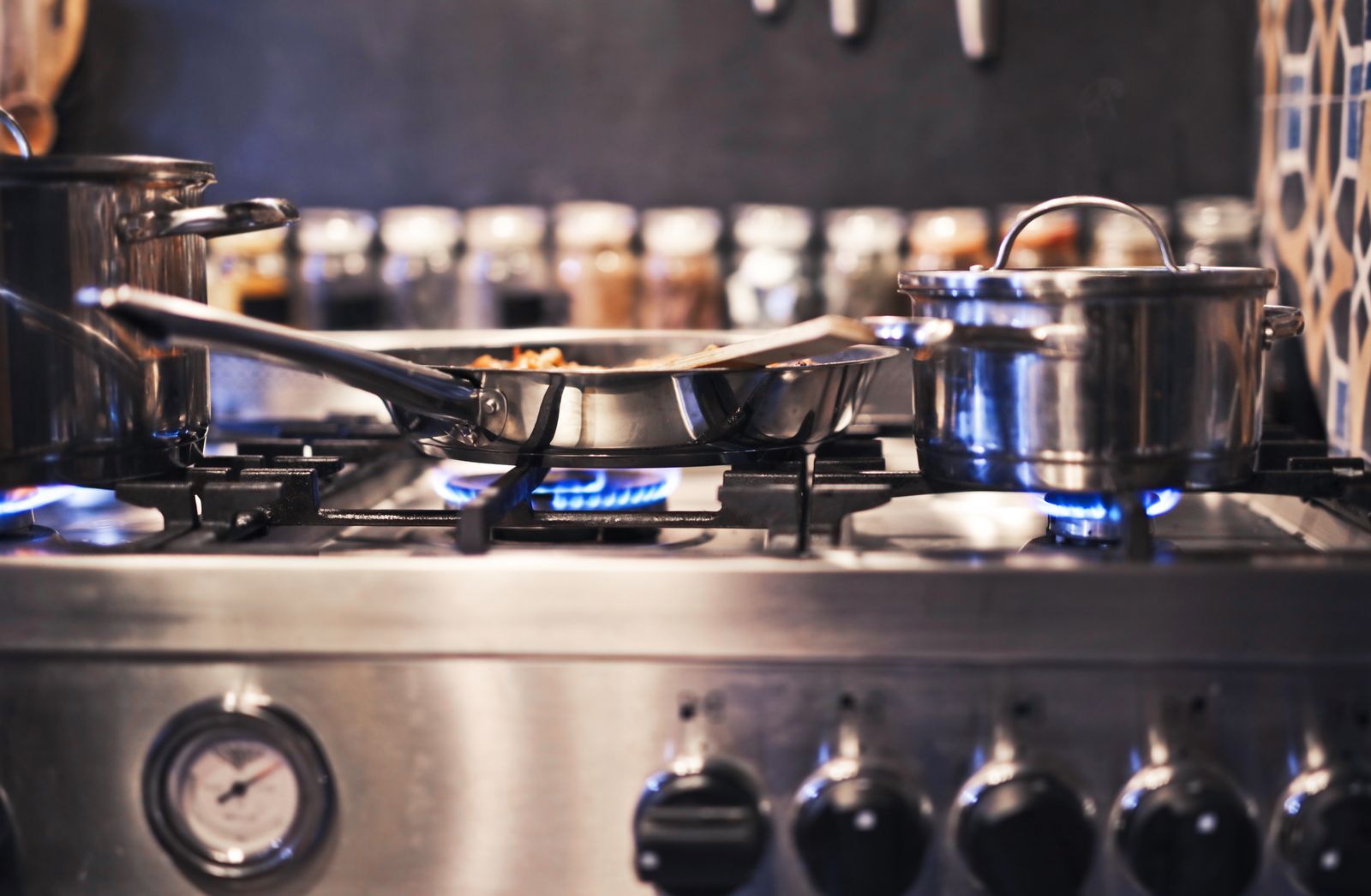
The holidays mean more time in the kitchen: hot pans, boiling pots, steam, oven racks and a lot of people moving around a small space. Most kitchen burns are small and heal well at home with the right first aid. Some need a doctor to look at them. Here is how to care for a burn in the first few minutes, and how to tell when it needs more than a bandage.
Know what kind of burn it is
Doctors sort burns by how deep they go. Knowing the type helps you decide what to do next.
- Superficial (first-degree): Only the top layer of skin. It looks red, feels sore and may swell a little, like a mild sunburn.
- Partial-thickness (second-degree): Goes deeper. You will see redness, swelling and blisters, and it is often very painful.
- Full-thickness (third-degree): Goes through the skin. It may look white, leathery or blackened, and it may feel numb instead of painful.
Pain is not a good guide to how serious a burn is. According to MedlinePlus, the deepest burns can be painless because the nerves are damaged.
First aid for a minor burn
If the burn is small and only red or lightly blistered, these steps help:
- Cool it right away. Hold the area under cool (not ice-cold) running water. MedlinePlus advises cooling it for at least 5 minutes, and longer often feels better.
- Take off rings, watches or tight clothing near the burn before it starts to swell. Do not pull off anything stuck to the skin.
- Cover it loosely with a clean, non-stick bandage or gauze to protect it from rubbing and germs.
- Leave blisters alone. Popping them raises the chance of infection.
- Ease the pain with an over-the-counter pain reliever if it is safe for you. Follow the label, and do not give aspirin to children or teens.
- Check your tetanus shot. If you are not sure when you last had one, ask a provider.
What not to put on a burn
Old home remedies can trap heat, irritate the skin or raise the risk of infection. Both MedlinePlus and HealthyChildren.org say to skip these:
- Ice or ice water, which can damage skin that is already hurt
- Butter, oil, grease or cooking spray
- Toothpaste, egg whites or other household remedies
- Fluffy cotton balls, which can stick to the wound
For a small, unbroken first-degree burn, a plain aloe gel or moisturizer can feel soothing once the skin has cooled.
When to visit urgent care
Our providers treat burns, cuts and other minor injuries and wounds every day. Come see us if:
- A blistered burn is bigger than about 2 to 3 inches across
- The burn is on the hand, foot, face, groin or over a joint, even if it seems small
- Pain is not getting better after a couple of days
- You see signs of infection: more redness, swelling, pus, red streaks or a fever
- The burned person is a young child, an older adult or someone with a weak immune system
- You are not sure how bad it is or you are worried about it
Kitchen cuts often happen on the same busy day. If a cut is deep, gaping, or will not stop bleeding after 10 minutes of firm pressure, it may need stitches or skin glue, and we can help with that too.
Call 911 or go to the emergency room if…
- The burn looks white, leathery, charred or black, or the skin feels numb
- A blistered burn is larger than the person’s palm, or covers a large part of the body
- The burn came from electricity or a chemical
- The person breathed in smoke or hot steam, or has trouble breathing, a hoarse voice or burns around the mouth or nose
- The person seems confused, faint, pale or clammy (signs of shock)
- Clothing caught fire or the person was trapped near flames
If a pan catches fire, never throw water on it. Turn off the heat, cover the pan with a lid and step away. If the fire spreads, get everyone out and call 911.
Safer cooking for the holidays
- Turn pot handles toward the back of the stove so they cannot be bumped or grabbed by small hands.
- Keep kids and pets at least a few feet away from the stove and oven.
- Use dry oven mitts. Wet or damp mitts let heat pass through quickly.
- Open lids and microwave containers away from your face to avoid steam burns.
- Stay in the kitchen while frying, boiling or broiling.
Both our Acton and Canton clinics are walk-in, so no appointment is needed. If you would like to skip some of the wait, you can reserve your spot online before you head over.