
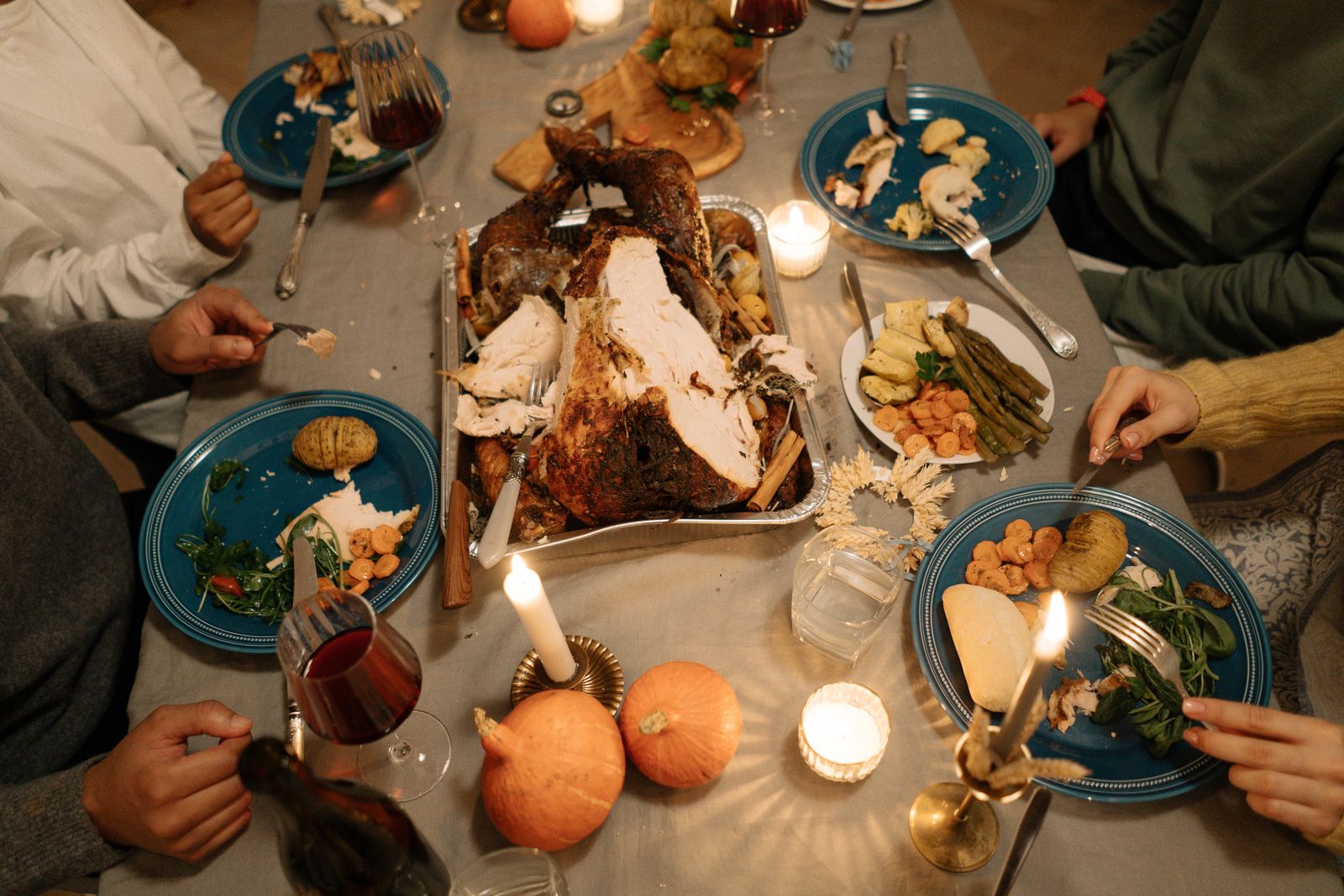
Thanksgiving and the holidays bring big meals, long buffets and plenty of leftovers. They can also bring an upset stomach that is more than just eating too much. Here is how to tell if it might be food poisoning, how to care for it at home, and when it is time to get checked.
What food poisoning feels like
Food poisoning happens when you eat food or drink something that has germs in it, such as bacteria or viruses. Symptoms can start within hours or take a day or more to show up, depending on the germ. The most common signs are:
- Upset stomach and cramps
- Nausea and vomiting
- Diarrhea
- Fever
- Feeling tired and achy
Most people feel better within a day or two without special treatment. But some people get sicker, and some groups are more likely to have serious illness: babies and young children, adults over 65, pregnant people, and anyone with a weakened immune system.
Easy home care for a mild case
If your symptoms are mild, the main goal is to stay hydrated and let your stomach rest.
- Sip water, clear broth or an oral rehydration drink often, in small amounts.
- For kids, ask your pediatrician or a clinician which drink is best and how much to give.
- Rest as much as you can.
- When you feel ready, start with bland foods like toast, rice, bananas or crackers.
- Wash your hands well with soap and water, especially after using the bathroom and before touching food.
- Skip cooking for others until you have been feeling better for a couple of days.
Before you use any over-the-counter medicine for diarrhea or nausea, check the label and ask a pharmacist or clinician if it is right for you. Some of these medicines are not recommended for children or for people with fever or bloody stool.
When to get checked at urgent care
The CDC says to see a doctor if you have any of these signs of more serious food poisoning:
- Bloody diarrhea
- Diarrhea that lasts more than 3 days
- A fever over 102°F
- Vomiting so often that you cannot keep liquids down
- Signs of dehydration, such as peeing much less than usual, a dry mouth and throat, or feeling dizzy when you stand up
Pregnant people with fever and flu-like symptoms should also get checked, since some infections from food can affect a pregnancy. And trust your gut, so to speak: if a child seems unusually sleepy, fussy or just not themselves, it is worth a visit.
At our Acton and Canton clinics, we can check you for dehydration, look for other causes of belly pain, and run lab tests on site when needed. Learn more about our stomach and urinary care and our on-site lab and testing. No appointment is needed, and you can reserve your spot online to cut down on waiting.
Call 911 or go to the emergency room if…
- You or your child cannot stay awake, is confused, or is very hard to wake up
- There is a lot of blood in vomit or stool, or stool is black
- Belly pain is severe, constant or getting worse quickly
- There are signs of severe dehydration, like no pee for many hours, fainting, or a very fast heartbeat
- You have trouble breathing, swallowing or speaking, blurry or double vision, or muscle weakness
- Someone has a stiff neck with a high fever
Holiday food safety tips that help prevent it
A few simple habits go a long way. These tips come from the CDC’s guide to preparing a holiday turkey safely:
- Thaw the turkey safely. Use the fridge, cold water (changed every 30 minutes) or the microwave. Never thaw it on the counter.
- Keep raw meat apart. Use a separate cutting board for raw turkey and wash hands, boards and counters after touching it.
- Use a food thermometer. Turkey should reach 165°F in the thickest parts. Stuffing should reach 165°F in the center too, and it is safer to bake it in a separate dish.
- Put leftovers away fast. Refrigerate food within 2 hours of cooking, in a fridge set to 40°F or colder.
- Eat leftovers within 3 to 4 days. Freeze them if you need more time, and reheat to 165°F.
Buffets are a common problem spot. If food has been sitting out for more than 2 hours, it is safest to throw it out. When in doubt, throw it out.
The bottom line
Most holiday stomach bugs pass in a day or two with fluids and rest. But bloody diarrhea, a high fever, vomiting that will not stop, or signs of dehydration mean it is time to be seen. Our Acton and Canton clinics are open seven days a week, including evenings on weekdays, for kids and adults. Have questions about your visit? Check our first visit page.