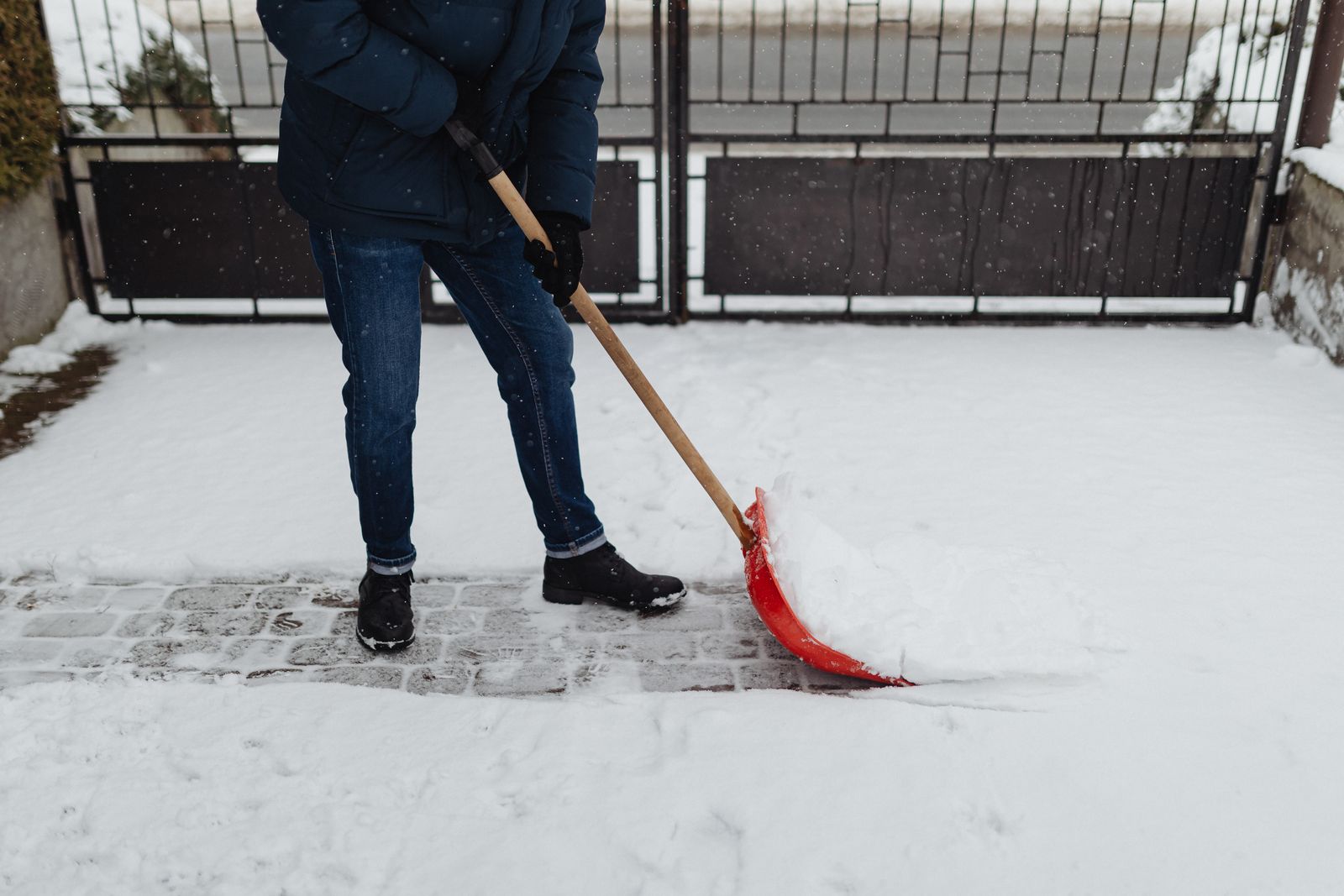
The first real snowfall is never far off in Massachusetts. Clearing the driveway feels like a simple chore, but snow shoveling is hard work. It sends many people to urgent care with sore backs, pulled muscles and wrist injuries from falls. It can also put real strain on the heart. Here is how to shovel more safely, how to care for a minor strain at home, and when to get help.
Why shoveling is harder on your body than it looks
Wet, heavy snow can weigh a lot more than it looks, and most of us lift it with our arms and back while bending and twisting. The cold also makes your heart work harder. The CDC calls shoveling a cardiovascular exercise and warns that cold weather plus hard work can trigger a heart attack, especially in people who have heart disease or high blood pressure. You can read the CDC’s snow shoveling tips here.
A national study of emergency room visits linked to snow shoveling found that the lower back was the body part hurt most often, and that most injuries came from overexertion. Slips and falls, and getting hit by the shovel, were also common. Heart problems were less common, but they caused all of the deaths in the study (see the study summary on PubMed).
How to shovel more safely
- Check with your doctor first if you have heart disease, high blood pressure, or you don’t usually exercise. Ask someone else to help if you can.
- Warm up for a few minutes with light movement and stretching before you start.
- Push the snow instead of lifting it whenever you can. If you must lift, take small scoops.
- Use your legs, not your back. Bend at the knees, keep the shovel close to your body, and turn your whole body instead of twisting at the waist.
- Pace yourself. Take frequent breaks, drink water, and clear snow in layers rather than all at once.
- Dress in layers and wear boots with good grip. Spread salt or sand on icy spots first to avoid falls.
- Shovel early and often during a storm, while the snow is lighter and fluffier.
Caring for a minor back strain at home
Most mild back and shoulder strains from shoveling get better on their own over several days. These steps can help:
- Rest from heavy lifting, but keep gently moving. Short walks are usually better than lying in bed all day.
- Try a cold pack for 15 to 20 minutes at a time in the first day or two, then heat if it feels better.
- Over-the-counter pain relievers can help. Follow the label and check with a pharmacist or doctor if you have other health conditions or take other medicines.
- Ease back into normal activity as the pain improves.
When to visit urgent care
Come see us at our Acton or Canton clinic if:
- Back, neck or shoulder pain is not getting better after a few days, or is getting worse.
- You slipped or fell on ice and have pain, swelling or bruising in a wrist, ankle, knee or hip.
- You can put weight on an injured limb but it hurts to use it.
- You have a cut from a shovel or snowblower that may need stitches.
- You think you may have frostnip, such as numb, pale or waxy skin on your fingers, toes, ears or face that improves with warming.
We can examine you and check for sprains, strains and other minor injuries. If needed, we can take an X‑ray or EKG on site at both clinics. No appointment is needed, and you can reserve your spot online to save time.
Call 911 or go to the emergency room if…
- You have chest pain, pressure or tightness, or pain spreading to the arm, back, neck or jaw.
- You feel short of breath, dizzy, faint, or break out in a cold sweat while or after shoveling.
- You hit your head and are confused, very sleepy, vomiting, or lost consciousness.
- You have back pain with numbness in the groin or legs, leg weakness, or trouble controlling your bladder or bowels.
- A bone looks out of place, or you cannot move or put any weight on a limb.
- A snowblower injury has caused heavy bleeding or a deep injury to a finger or hand.
- Someone is very cold and confused, very drowsy, or shivering hard, or has skin that stays hard, numb or blistered.
Don’t wait to see if heart symptoms go away. Stop shoveling and call 911 right away.
The bottom line
Snow shoveling is real exercise. Warm up, push instead of lift, take breaks, and know your limits. For strains, sprains and falls that need a closer look, our Acton and Canton clinics are here seven days a week for kids and adults. Stay warm and safe out there this winter!